- Saudi Arabia
- Egypt
- Qatar
- United Arab Emirates
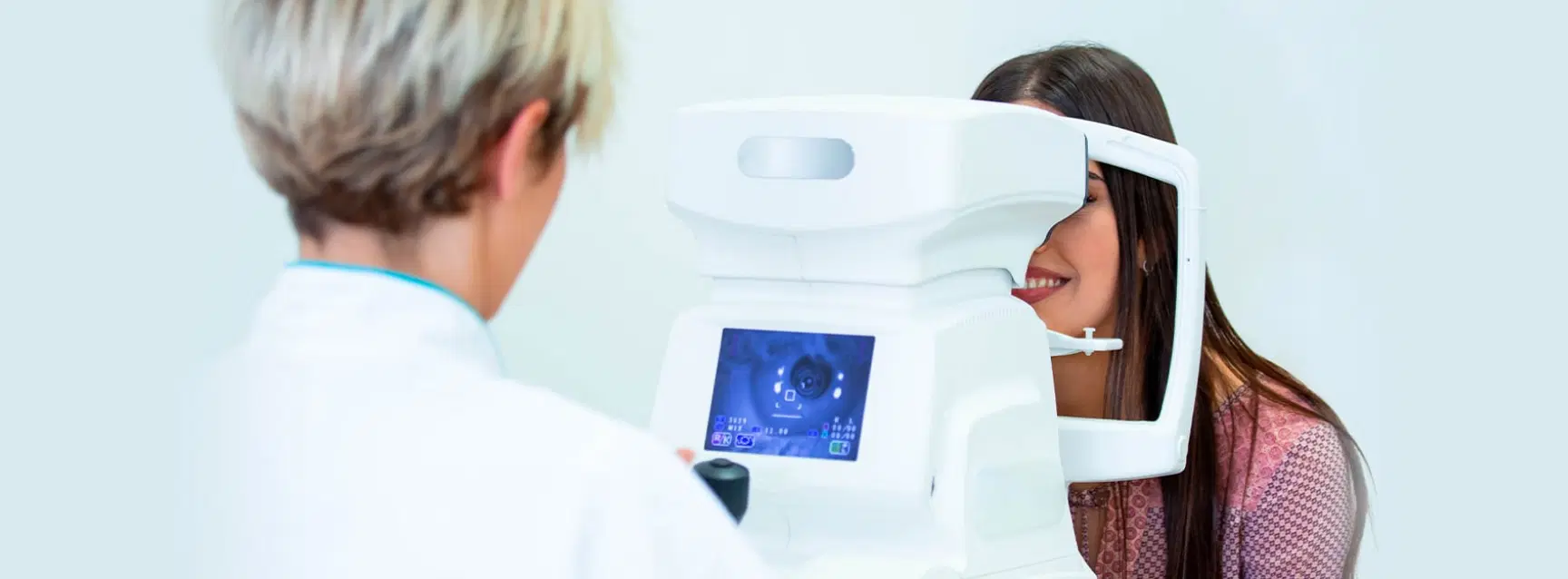

Vision is one of the most significant blessings humans have, enabling us to perceive the world around us. However, we often neglect our eye health, especially if we don't notice any symptoms!
This is where regular eye examinations come into play! Magrabi Health experts perform routine and comprehensive eye checkups to ensure that your eyes are free from any diseases. These examinations also allow the early detection of eye conditions that could negatively impact the patient’s ability to see clearly.
In this article, ophthalmologists at Magrabi Health highlight the importance of routine eye examinations, when they should be performed, and the essential tests that are included in a comprehensive eye examination.
Undergoing regular eye examinations is essential and should not be taken lightly, especially if you experience any abnormal symptoms.
As mentioned, this contributes to the early detection of serious eye diseases, particularly those that may not cause clear symptoms, such as glaucoma.
Other eye diseases that may not cause symptoms in their early stages include diabetic retinopathy (a condition that may affect diabetic patients) and age-related macular degeneration (AMD). Early detection of these conditions can help minimize their impact on vision, while late diagnosis makes treatment more challenging.
Eye examinations are generally divided into three main categories based on age: examinations for children, adults, and the elderly. Below, Magrabi Health eye care experts provide more details on these exams.

Eye Examinations for Children
The American Academy of Ophthalmology (AAO) recommends that children undergo their first vision screening after birth and before being discharged from the hospital. Afterward, parents should visit an ophthalmologist to check their child's eyes at 6 months, 12 months, and again before the child begins school. Vision screenings for children help detect critical issues that may arise at a young age, such as strabismus (misalignment of the eyes), amblyopia (lazy eye), and congenital cataracts. Eye exams are particularly important for children who are at higher risk of developing eye conditions, such as those with a family history of eye diseases or children born prematurely. |

The AAO recommends that healthy adults undergo an eye exam once between the ages of 20 and 30, and twice between the ages of 30 and 40. This frequency of exams is suitable for adults who do not have any abnormal eye symptoms or risk factors that increase their likelihood of developing eye diseases.
On the other hand, some adults in this age group (between 20 and 39 years) may need to undergo more frequent exams, particularly those with chronic diseases such as hypertension or diabetes, or those with a family history of eye diseases. An ophthalmologist will determine the appropriate frequency of eye examinations based on everyone's health condition.
Contact lens users also need to have an annual eye exam to ensure the lenses are properly fitted and that the cornea is not adversely affected. Continuous use of contact lenses without proper consultation with an ophthalmologist may lead to corneal infections.
At age 40, Magrabi Health experts recommend that individuals undergo a comprehensive eye exam, even if no symptoms are present. This exam helps in the early detection of age-related eye diseases, such as glaucoma and AMD, which may not cause noticeable symptoms in their early stages.
As we age, the health of our body tissues declines, and the eyes are no exception! After the age of 65, the likelihood of developing certain conditions increases, including cataracts, glaucoma, AMD, and diabetic retinopathy. Failing to treat these conditions may lead to severe consequences, including total blindness, God forbid.
Magrabi Health eye care experts consistently emphasize the importance of undergoing regular eye exams at various stages of life to diagnose eye diseases early and protect the eyes from permanent damage that may result from these conditions.
A comprehensive eye examination is a simple procedure that provides vital information about the health of the eyes. It typically takes between 45 and 90 minutes and includes a series of tests and evaluations, such as:
If any eye diseases are detected, Magrabi Health ophthalmologists develop a comprehensive treatment plan to protect the eyes from further damage.
Regular eye exams and comprehensive eye examinations are essential for ensuring healthy eyes free from serious vision problems. Therefore, they should never be neglected.
You can visit the nearest Magrabi Health branch for a regular eye checkup and ensure the health of your eyes by consulting the best ophthalmologists in the KSA, who rely on the latest diagnostic techniques and treatment protocols for eye diseases.
https://www.aao.org/eye-health/tips-prevention/eye-exams-101
https://www.aoa.org/healthy-eyes/caring-for-your-eyes/eye-exams?sso=y
Maghrabi Health experts reaffirm the importance of visiting a specialized hospital for regular eye exams, which contribute to early detection of eye diseases through accurate diagnosis, allowing for successful treatment plans that minimize potential side effects or complications. Book your medical consultation now at Maghrabi Health with a selection of the best keratoconus specialists in the Middle East and North Africa.

