- Saudi Arabia
- Egypt
- Qatar
- United Arab Emirates
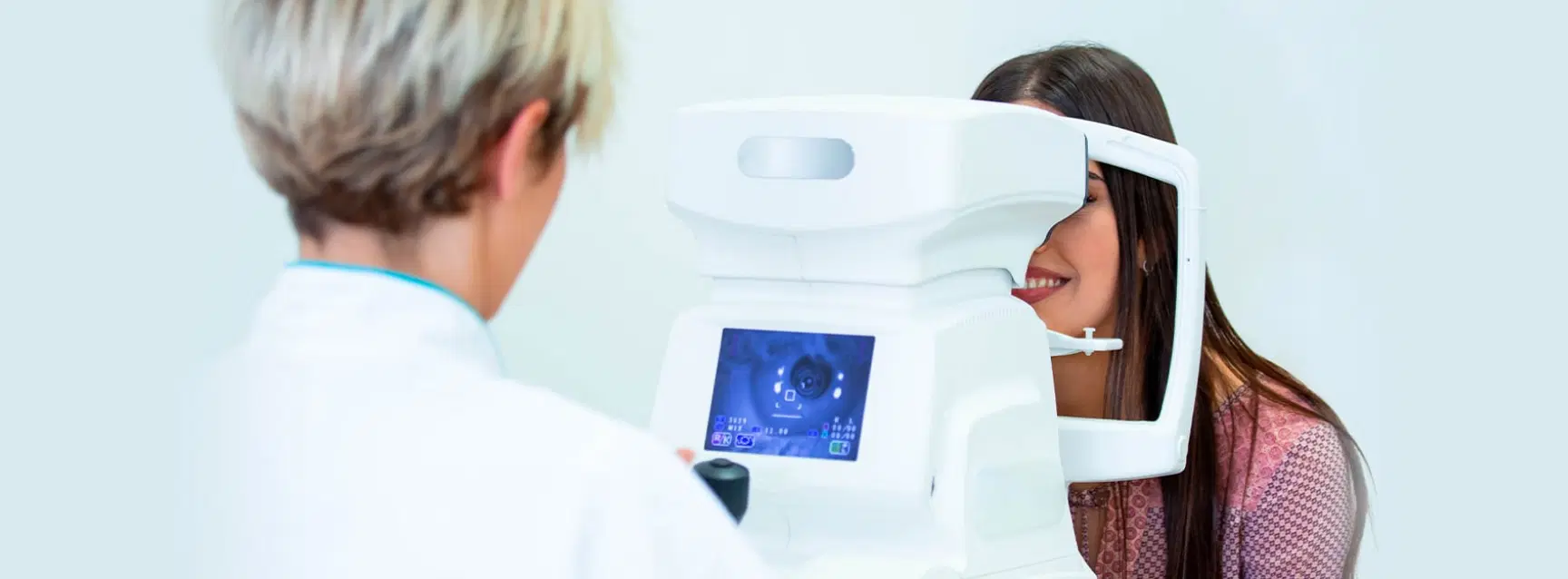
Childhood eye diseases can significantly impact a child's ability to learn and develop, leading to major challenges if not addressed. However, experts from Magrabi Health affirm that early diagnosis of childhood eye diseases plays a crucial role in their successful treatment.
This emphasizes the need for parents to monitor any changes in their children’s eyes and promptly consult specialized doctors if they suspect their child is experiencing any vision problems.
In this article, pediatric ophthalmologists from Magrabi Health outline the most common childhood eye diseases, the essential tests children should undergo, and the best treatment options to prevent long-term eye damage.
Parents should promptly visit a specialized eye hospital if they observe any of the following symptoms in their child:
These symptoms are warning signs that require urgent consultation with an eye specialist to undergo an eye examination and address the issue before it worsens.
Some people believe that eye diseases are only associated with aging, but this is a misconception. Children may suffer various eye diseases during different stages of their development, which can negatively impact their vision.
It is essential for children to undergo routine eye exams at different stages of their lives to detect any potential eye conditions early, as some of these conditions can lead to permanent vision damage if left untreated.
Children may suffer from eye diseases with varying degrees of severity, ranging from conditions treatable with corrective glasses to more serious disorders requiring surgical intervention. Below, Magrabi Health’s pediatric ophthalmology experts outline the most common eye diseases in children:
Refractive errors are among the most common eye problems in children, causing blurred vision, either with difficulty seeing close-up (farsightedness) or far away (nearsightedness).
In addition to farsightedness and nearsightedness, a child may also suffer from astigmatism, a refractive error caused by an irregular curvature of the cornea, leading to blurry vision.
These problems are often detected during routine eye exams and can be easily corrected with prescription glasses. However, if left untreated, refractive errors can lead to more severe issues, such as amblyopia (lazy eye), where one eye becomes weaker than the other.
Amblyopia, or lazy eye, occurs when the brain favors one eye over the other, resulting in a stronger eye and a weaker one. The condition is often caused by untreated refractive errors, strabismus, or drooping eyelids (ptosis).
As with other eye diseases, early detection of lazy eye increases the chances of successful treatment and prevents permanent vision loss in the affected eye.
Strabismus refers to the misalignment of the eyes, where one eye may turn inward (toward the nose), outward (away from the nose), upward, or downward.
This condition affects about 4% of children and, if left untreated, can result in double vision or amblyopia.
Approximately 20% of children are born with a blocked tear duct, preventing normal tear drainage and causing tears to accumulate in the eye, which can lead to irritation.
In most cases, the problem resolves on its own within the child’s first year of life. However, in some cases, surgery may be required to open the tear duct.
Orbital cellulitis is a bacterial infection that affects the tissues surrounding the eye, causing swelling, redness, and pain.
In advanced cases, the infection can spread to other parts of the body and become life-threatening if left untreated.
Conjunctivitis is an inflammation of the conjunctiva, the white part of the eye, which can be caused by bacterial or viral infections, or allergies.
Symptoms include redness and itching of the eyes. Pediatric ophthalmologists at Magrabi Health typically prescribe antibiotic eye drops if the cause is bacterial, while viral and allergic conjunctivitis often resolve on their own with proper supportive care.
Cataracts typically affect older individuals, but children can also develop them, causing clouding of the eye's lens and obstructing the passage of light to the retina.
Advanced cases may require surgical intervention to remove the cloudy lens and replace it with a new one, highlighting the importance of early detection.
Pediatric glaucoma is a rare but serious condition caused by increased pressure inside the eye, which can damage the optic nerve and lead to permanent vision loss if left untreated.
Symptoms of pediatric glaucoma include enlarged eyes, excessive tearing, and cloudy eyes. Treatment typically involves medication or surgery to reduce eye pressure.
Some childhood eye diseases are caused by genetic factors. Magrabi Health’s pediatric ophthalmology experts recommend that children with a family history of eye diseases undergo routine eye exams.
Genetic eye diseases may be mild, such as severe myopia, or severe, such as retinoblastoma (eye cancer).
Treating childhood eye diseases often requires comprehensive diagnostic tests, followed by tailored treatment plans to help children regain their vision and protect them from potential future eye problems.
Magrabi Health’s pediatric ophthalmology experts emphasize the importance of early detection of childhood eye diseases to protect children’s eyes from severe complications, including vision loss.
You can now visit the nearest Magrabi Health branch to have your child's eyes examined and ensure their health by consulting a comprehensive team of pediatric eye care experts.
Don't neglect your child’s eyes health! Consult Magrabi Health experts immediately if you notice any abnormal symptoms.
https://www.aao.org/eye-health/tips-prevention/common-childhood-diseases-conditions
https://www.nhs.uk/conditions/eye-tests-in-children/
https://www.orbit-eyecenter.com/ar/pediatric-eye-problems-ar/
Maghrabi Health experts reaffirm the importance of visiting a specialized hospital for regular eye exams, which contribute to early detection of eye diseases through accurate diagnosis, allowing for successful treatment plans that minimize potential side effects or complications. Book your medical consultation now at Maghrabi Health with a selection of the best keratoconus specialists in the Middle East and North Africa.

